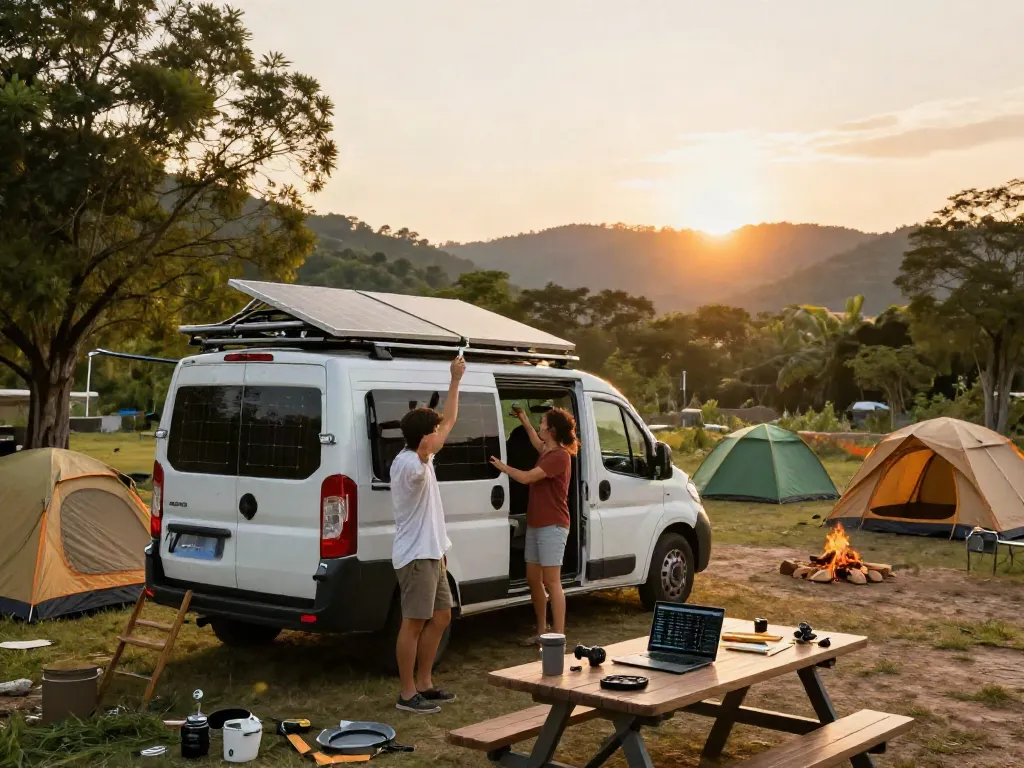
Understanding Van Electrification Basics
In the world of van conversions, understanding electrification is crucial for a comfortable and sustainable living experience on the road. As you embark on your van life journey, one of the fundamental components to grasp is how to integrate batteries, solar power, and electrical systems into your camper van. With the right knowledge and tools, you can set up an efficient energy system that caters to your needs while also being eco-friendly. When exploring options, rokok88 provides comprehensive insights into this topic, helping you make informed decisions.
What You Need to Know About Campervan Batteries?
Choosing the right battery system is essential in any van conversion. There are two main types of batteries typically used: lead-acid and lithium-ion. Each has its own advantages and disadvantages.
- Lead-Acid Batteries: These are the traditional choice for many van lifers. They are relatively inexpensive and widely available. However, they are heavier and need to be regularly maintained to ensure longevity.
- Lithium-Ion Batteries: More modern and efficient, lithium batteries have a higher energy density, are lighter, and require less maintenance. They also allow for deeper discharges, meaning you can use a greater percentage of the battery's capacity without harming it.
When selecting a battery, consider factors such as capacity (measured in amp hours), weight, and budget. It's typically recommended to opt for a battery with ample capacity to support your energy needs, especially if you plan on using multiple devices or appliances.
Choosing the Right Solar Panels for Your Needs
Solar power is a fantastic way to harness energy sustainably while traveling. When it comes to selecting solar panels, you'll want to consider several factors, including size, wattage, and type. The most common types of solar panels are:
- Monocrystalline Panels: Known for their efficiency and longevity, these panels perform well in low-light conditions but are typically more expensive.
- Polycrystalline Panels: These are less expensive and slightly less efficient. However, they are a great option if you're looking for a cost-effective solution.
- Thin-Film Panels: These are lightweight and flexible, but they generally have a lower efficiency and take up more space.
Assess your power consumption needs and decide how much solar capacity you need to install. As a rule of thumb, for general lighting, charging devices, and running small appliances, a solar system of 200-400W will usually suffice for most campervans.
Common Wiring Mistakes to Avoid
Wiring your camper van can be a daunting task, but it doesn't have to be. To simplify the process, here are common mistakes to avoid:
- Using Undersized Wires: Ensure that the wire gauge is appropriate for the load. Undersized wires can overheat and pose safety risks.
- Neglecting Proper Grounding: Grounding your electrical system is vital to avoid electrical shocks and ensure system reliability.
- Overlooking Fuses and Circuit Breakers: Always include fuses or circuit breakers in your wiring setup to protect your devices and wiring from overloads.
The Importance of Insulation in Campervans
Insulation plays a key role in the comfort of your camper van, affecting temperature regulation, energy efficiency, and noise reduction. Proper insulation minimizes heat loss during colder months and keeps your van cool in summer. It also helps in reducing road noise, which can enhance your overall camping experience.
How to Choose the Best Insulation Materials?
When selecting insulation for your van, consider the following materials:
- Foam Board Insulation: Easy to install and offers high R-values, foam board is an excellent choice for walls and floors.
- Spray Foam Insulation: Provides superior air sealing and insulation performance but can be messy and difficult to remove.
- Reflective Insulation: This type acts as a radiant barrier, ideal for hot climates as it reflects heat away.
Insulation Installation Tips for Beginners
Installing insulation in your camper doesn't have to be overwhelming. Here are some useful tips:
- Prepare the surface by cleaning and removing any debris.
- Measure your spaces accurately to cut insulation pieces to fit snugly.
- Consider using adhesive or additional materials, like aluminum tape, to secure your insulation effectively.
Advantages of Proper Insulation for Comfort
The benefits of effective insulation in campervans extend beyond mere comfort. Proper insulation:
- Saves energy by reducing the need for heating or cooling systems.
- Enhances the overall acoustics of the space.
- Minimizes condensation and moisture buildup, preventing mold growth.
Step-by-Step Guide to Van Conversion
To transform a standard van into a camper, you need a well-thought-out plan and execution. Follow these steps to ensure a successful conversion:
Planning Your Conversion Project Efficiently
Start with a detailed plan outlining your goals, budget, and timeline. Research different layouts and design ideas that suit your needs and consider visiting online communities for inspiration and advice.
Selecting the Right Van Model for Conversions
Not every van is suitable for conversion. Popular choices include:
- Mercedes Sprinter: Known for its reliability and spacious interior.
- Ford Transit: Offers multiple roof heights and lengths, providing flexibility in design.
- RAM ProMaster: Features a wider cargo space, making it easier to maneuver within.
Tools and Resources for Successful Builds
Having the right tools can make all the difference. Essential tools include a drill, saw, measuring tape, and a level. Additionally, consider investing in a quality toolkit and researching online resources to guide you through each step of the build process.
Best Practices in Campervan Energy Management
Managing energy efficiently can greatly enhance your camper van experience. Here are some best practices to follow:
Calculating Your Energy Needs with a Solar Calculator
Using a solar calculator allows you to estimate your daily power consumption accurately. Input details such as the devices you plan to use and their wattage, helping you determine the size and number of solar panels needed for your system.
Maintaining Your Battery System for Longevity
To maximize battery life, consider the following maintenance tips:
- Regularly check water levels in lead-acid batteries.
- Avoid discharging your batteries below 50% capacity.
- Invest in a battery monitor to keep track of your energy usage.
Real-life Examples of Efficient Power Usage
Many van lifers successfully implement simple strategies to save energy. For instance, using LED lights, unplugging devices when not in use, and utilizing energy-efficient appliances can significantly lower overall consumption.
Future Trends in Van Life and Electrification
The future of van life is bright, especially with advancements in technology and increasing interest in sustainable living. Here’s a glimpse into what to expect over the coming years:
Innovative Technologies for Sustainable Travel in 2026
Expect to see enhanced solar technology, including solar roofing and more efficient solar panels that integrate seamlessly into van designs. Energy storage solutions are also anticipated to become more compact and powerful.
Emerging Products for the Modern Van Lifer
New products are continually hitting the market, tailored specifically for campervans. Look out for items such as portable power stations and advanced battery management systems that optimize your energy usage.
Predictions for the Future of Campervan Conversions
With the growth of the van life community, expect to see more manufacturers offering specialized campervans equipped with built-in solar and energy solutions right from the factory.
What Are the Most Common Questions About Van Conversion?
New van lifers often have several questions. Some of the most common include:
- How much does it cost to convert a van?
- What is the best insulation for a camper van?
- How do I install a shower in my van?
How to Ensure Your Van Conversion Meets Safety Standards?
Installation must comply with safety regulations to protect you and any future occupants. Consult local building codes and consider hiring a professional for critical systems like plumbing and electrical work.
What Are the Top Mistakes New Van Lifers Make?
Common pitfalls include underestimating costs, neglecting weight limits, and rushing the planning stage. Take your time to research and plan effectively to avoid these issues.
How Can Solar Power Enhance Your Camping Experience?
Solar power allows you to camp off-grid, giving you the freedom to explore remote areas without worrying about running out of electricity. With a well-designed solar setup, you can run all your essentials, from lights to refrigeration, enhancing your adventurous lifestyle.
What Essential Tools Do You Need for Your First Conversion?
Essential tools include a drill, saw, measuring tools, and safety gear. Moreover, having access to guides or tutorials can be invaluable to help you navigate the conversion process.