Understanding the Ciclismo Landscape in 2026
The world of ciclismo has never been more dynamic than it is in 2026, with significant developments influencing the competitive scene. From technological advancements to changing athlete training methodologies, the landscape is evolving rapidly. As we approach major events like the Mondiali MTB and Vuelta a España, it is essential to understand the critical elements shaping performances and spectator experiences this year.
Key Developments in Competitive Cycling
Competitive cycling in 2026 has witnessed a series of important changes impacting both athletes and fans. The introduction of electric-assisted bicycles is reshaping various categories, including mountain biking, making the sport more accessible while simultaneously raising debates around purity and performance enhancement. Moreover, the rise of women's cycling has been a notable trend, with more sponsorship and visibility than ever before. Events specifically catering to women have emerged, reflecting a shift towards inclusivity in the sport.
Impact of Technology on Ciclismo
Technology continues to play a transformative role in ciclismo, with advancements in bike design, materials, and performance analysis tools. High-tech bikes equipped with data tracking systems allow cyclists to monitor their performance in real time, adjusting their strategies on the fly. Innovations like smart helmets and wearable devices not only enhance safety but also provide critical insights into riders' health and capabilities, which can be crucial during intense competitions.
Emerging Trends in Mountain Biking
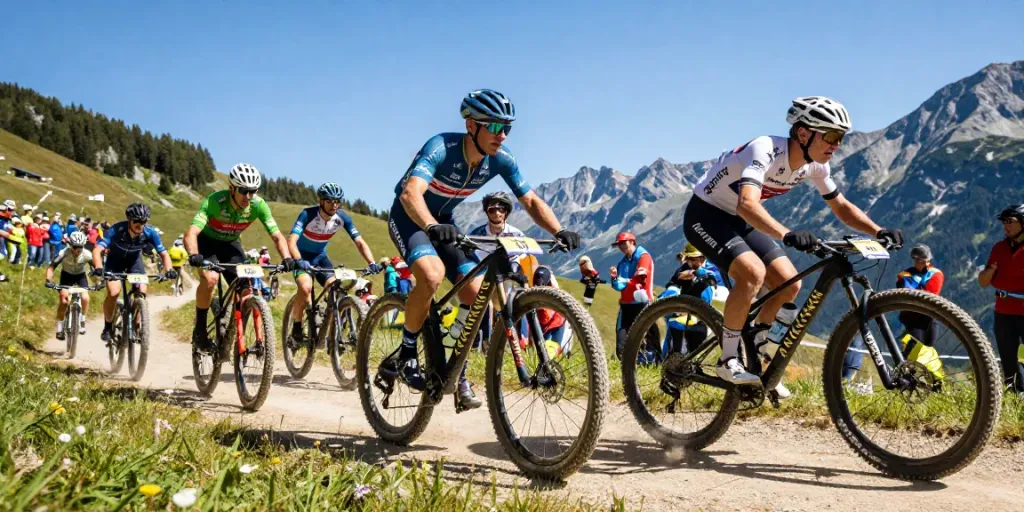
Mountain biking is experiencing a renaissance, characterized by increased participation and advanced race formats. The Mondiali MTB 2026, featuring 13 athletes from Canyon, showcases elite talent, particularly the spotlight on riders like Mathieu van der Poel and Frida Rissveds. Trends such as gravel racing and the integration of more technical segments in courses are drawing in newcomers and veterans alike, making mountain biking an exhilarating spectacle in 2026.
Preparing for Major Events: Mondiali MTB & Vuelta 2026
As the 2026 cycling season unfolds, preparation for major events like the Mondiali MTB and Vuelta a España becomes pivotal for athletes and teams. Understanding the courses, honing skills, and employing effective strategies are essential to maximizing performance on race day.
Participation Strategies for Athletes
Successful participation in significant cycling events requires planning and preparation. Athletes must meticulously analyze race routes, paying careful attention to elevation changes, weather conditions, and technical challenges. Building a training regimen that mimics event conditions can enhance performance and resilience, ensuring that cyclists are race-ready.
Key Athletes to Watch and Their Training Routines
In the 2026 season, all eyes are on standout athletes such as Tadej Pogačar, who has consistently displayed formidable climbing prowess, and other prominent figures like Evenepoel and van der Poel. Their training routines reflect a balance between endurance, strength, and skill development, incorporating high-intensity interval training, long-distance rides, and time trial tactics. Understanding their approaches can provide valuable insights for aspiring cyclists.
Understanding Race Courses: What to Expect
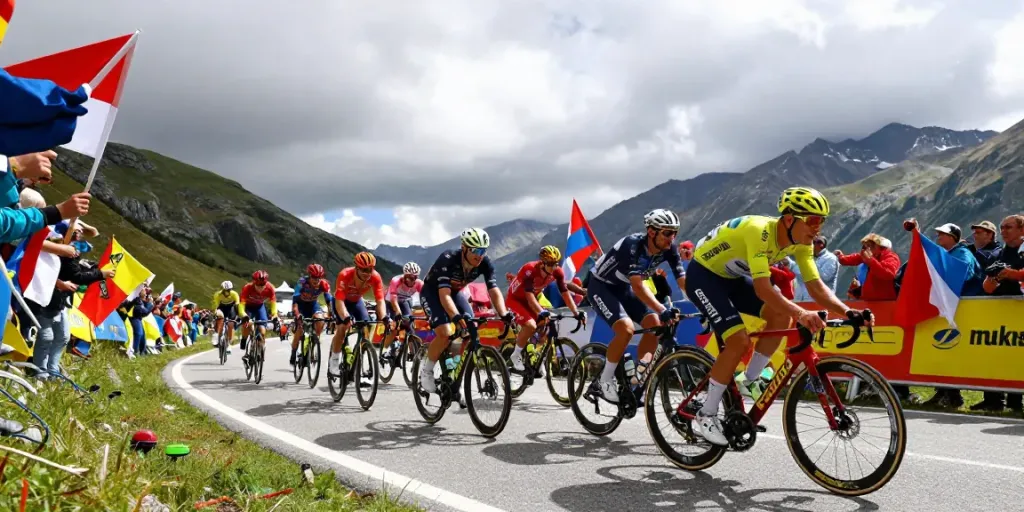
Each major cycling event presents a unique set of challenges, with course designs that test different skill sets. The Vuelta a España, for example, features steep climbs and technical descents. Preparation must include specific training for these elements, ensuring cyclists can navigate the terrain effectively. Moreover, mental readiness is crucial when facing the unpredictability of race day.
Essential Gear and Maintenance for Cyclists
To achieve peak performance in 2026, cyclists must invest in the right gear and pay attention to maintenance. This section delves into choosing the appropriate bike, maintenance practices, and the importance of nutrition during races.
Choosing the Right Bike: Features to Consider
The choice of bike can significantly impact a cyclist's performance. Factors such as weight, aerodynamics, and gear ratios are crucial to consider. Mountain bikers, for example, should look for robust frames and reliable suspension systems to handle rough terrains, while road cyclists may prioritize lightweight materials and aerodynamic designs for speed on flat courses.
Maintenance Tips to Keep Your Bike Race-Ready
Regular maintenance ensures that the bike remains in optimal condition. Cyclists should routinely check tire pressure, brake functionality, and gear shifting accuracy. Performing routine cleaning and lubrication of components can prevent mechanical issues during crucial moments of a race. It’s also essential to stay updated on the latest maintenance technologies available for modern cycling gear.
Importance of Nutrition and Hydration During Races
Nutrition and hydration are critical elements for success in competitive cycling. Athletes need to plan their diets carefully to ensure they consume enough carbohydrates for energy, proteins for muscle recovery, and fats for sustained energy. During races, hydration strategies should include electrolyte-rich drinks to prevent dehydration, especially on hot or long courses.
Strategies for Success in Competitive Ciclismo
Success in ciclismo isn't solely about physical ability; it also involves mental preparation and team dynamics. This section explores effective training regimens, psychological strategies, and the importance of communication during races.
Effective Training Regimens for Peak Performance
Building a robust training plan is essential for cyclists targeting high-level competition. This regimen should include a mix of endurance, strength, and speed workouts, incorporating cross-training elements such as running or swimming to develop overall fitness. Utilizing performance metrics to assess improvements and adjust training intensity can lead to significant gains.
Psychological Preparation for Cyclists
Mental resilience is a cornerstone of competitive cycling. Athletes often benefit from visualization techniques, setting realistic goals, and developing coping strategies for handling stress during races. Working with sports psychologists can enhance mental fortitude and focus, translating to improved performance.
Team Dynamics and Communication in Races
Teamwork plays a critical role in ciclismo, particularly in multi-day events like the Vuelta. Effective communication among team members can aid in devising race strategies, managing pace, and providing assistance when needed. Cyclists must learn to work together, playing to individual strengths while supporting each other's efforts.
Future of Ciclismo: Predictions and Innovations
As we look ahead, the future of ciclismo promises exciting developments driven by sustainability, gender equality, and technological advancements. Understanding these trends is crucial for stakeholders in the cycling community.
The Role of Sustainability in Cycling
Sustainability is becoming increasingly important within the cycling industry, with organizations and events implementing eco-friendly practices. From using recyclable materials in cycling gear to promoting cycling as a green transportation alternative, sustainability initiatives are shaping the future of the sport.
What’s Next for Women in Competitive Cycling?
The increased visibility and support for women’s cycling has created a robust platform for future growth. More female athletes are emerging as role models, inspiring the next generation to engage in the sport. The commitment to equitable sponsorship and event organization will likely continue to drive this positive trend.
Anticipated Changes in Race Formats and Competitions
Race formats are expected to evolve, with innovations such as mixed-gender events and varying distance formats gaining traction. Such changes can enhance engagement among spectators while providing athletes with unique challenges that diversify the competition landscape.
What are the latest advancements in bike technology?
Ongoing advancements in bike technology will likely focus on weight reduction, aerodynamic efficiency, and enhanced electronic shifting systems. Innovations like smart bikes equipped with advanced analytics may provide cyclists with real-time feedback, helping them optimize performance dynamically during races.
How can recreational cyclists benefit from professional tips?
Amateur cyclists can learn valuable lessons from professionals, including training techniques, nutrition advice, and race strategies. Engaging with professional cyclists through clinics or social media platforms can provide insights that enhance recreational riding experiences.
What are the top cycling events to watch in 2026?
The highlights of the cycling calendar in 2026 include the Tour de France, Giro d’Italia, and the World Championships, as well as the expanding list of mountain biking events. Keeping track of these competitions is crucial for fans and aspiring cyclists alike, as they spotlight the pinnacle of talent in the sport.
How to improve cycling performance through training?
Improving cycling performance demands a holistic approach to training that includes tailored workouts focusing on endurance, power, and skill development. Regular assessments and adapting training plans based on performance metrics will yield significant improvements.
What should new cyclists focus on to enhance their skills?
New cyclists should concentrate on foundational skills such as bike handling, understanding gear systems, and building fitness levels slowly. Incorporating structured training and seeking mentorship can accelerate their development and enjoyment of the sport.